Industries to serve

“MAXHYDRO SOLUTIONS” We take this opportunity to introduce ourselves as a prime supplier & service of most complete selection of Hydraulic &Pneumatic Seals, Seal kits, Rotary Seals, V-Rings, O-Rings, Mechanical Seals, Spiders, Bellows, Custom products, PU Coating, Repairing &Supply of New Hydraulic & Pneumatic Cylinders, and Jacks for both Hydraulic &PneumaticApplications. Our expertise and complete product offering means “MAXHYDRO SOLUTIONS” is First choice for your complete sealing partner. Our innovative technology &value added services allow us to engineer your success with Leading edge material development, experienced design, and high quality manufacturing and outstanding customer service. Due to in-depth knowledge seals, cylinders and equipment field. The MAXHYDRO team can offer total technical support to meet their needs in design, manufacturing of Hydraulic & Pneumatic Cylinders and seals, equipment and systems. Whether our clients require standard seals &cylinders for general purpose or fully customized seals for more technical applications, we are sure we will be able to deliver our clients the best product for their requirements. Catering to major industry segments like Steel Mill, Mining Industry, Cement Industry Power Plant, Catering to major industry segments like Steel Mill, Mining Industry, Cement Industry Power Plant, Aluminium Industry, Textile Industry, Automobile Industry, Press Forming Industry, Wind Mill, Hydro Power, Pulp & Paper Industry, Tyre Industry, Chemical Fertilizer Industry, Sugar Industry, Engg. & Fabrication Industry, Earth Moving Industry, etc.

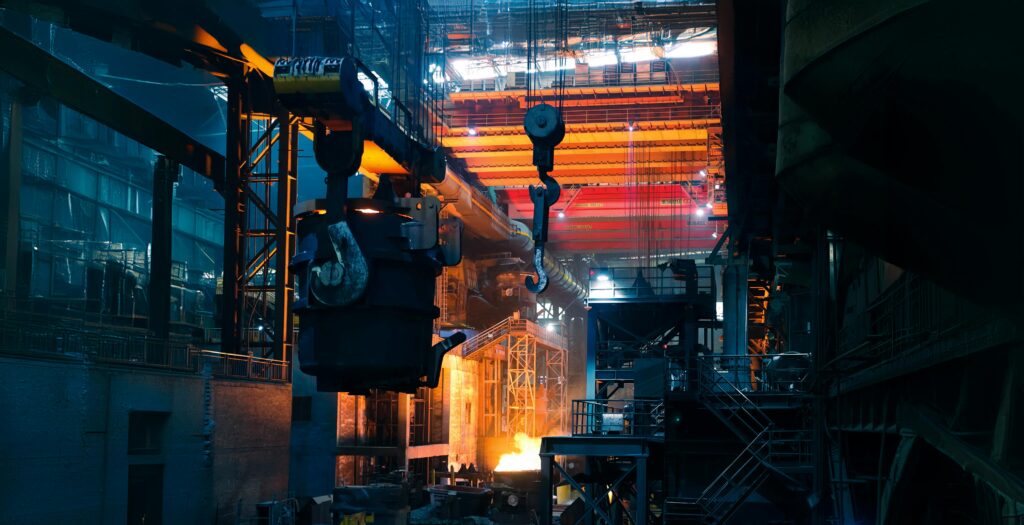
Steel

Inside a bustling steel factory with cranes and molten metal casting an intense glow.

Steel is a strong and durable metal alloy made mainly of iron and carbon. It is widely used in construction, vehicles, tools, and machinery because of its strength, flexibility, and recyclability.Steel is a strong, hard, and durable alloy made mainly of iron with a small amount of carbon. It is widely used in construction, machinery, vehicles, tools, and household products because of its strength, toughness, and long life.
  • Cement is a fine powder used as a binding material in construction.
  • It is made from limestone, clay, silica, and other minerals.
  • Cement becomes hard when mixed with water.
  • It is mainly used to make concrete and mortar.
  • It provides strength and durability to buildings.
  • Cement is widely used in houses, bridges, roads, and dams.
  • The most common type is Ordinary Portland Cement (OPC).
  • It helps bind sand, gravel, and bricks together.
  • Cement must be stored in a dry place to prevent damage.
  • It is an essential material in modern construction work.

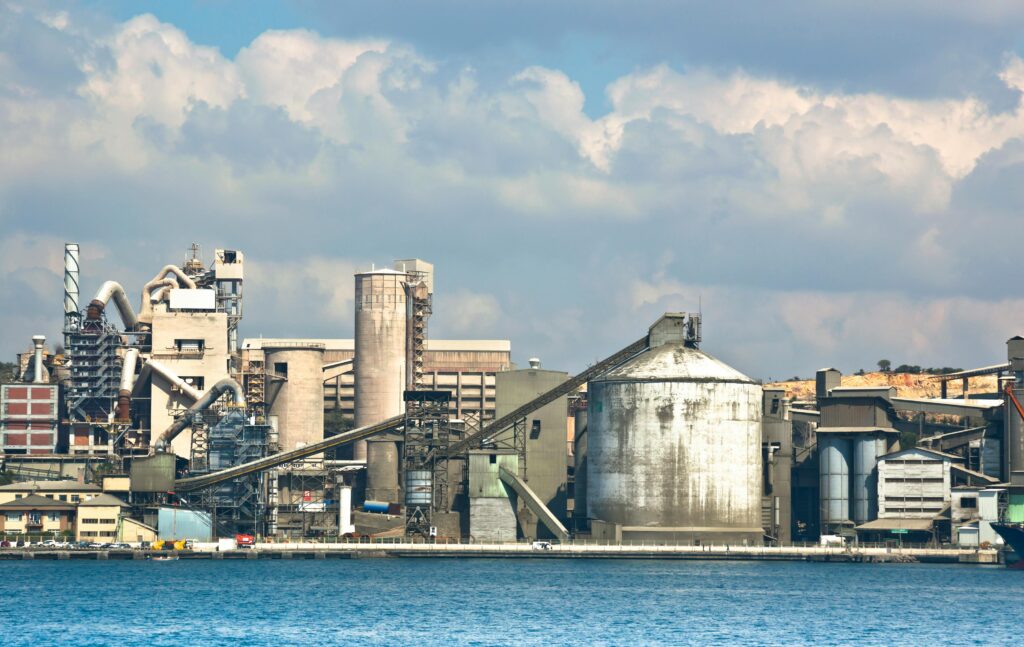
Cement

A sprawling industrial factory complex by the sea, captured on an overcast day, showcasing diverse structures.

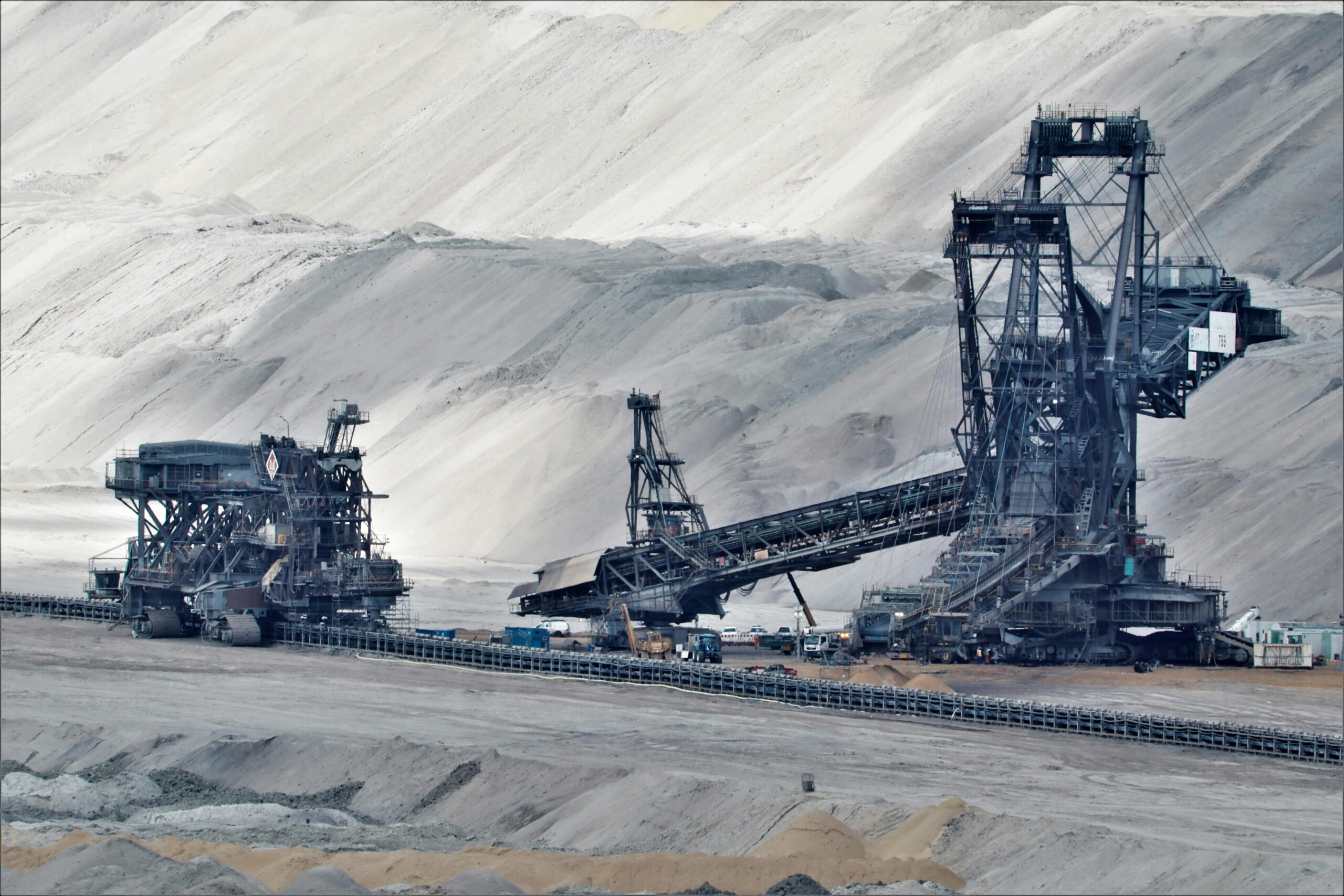
Mining

A large bucket wheel excavator operates in a vast industrial mining area, illustrating heavy machinery in action.
  • Mining industry is the sector that extracts minerals and natural resources from the earth.
  • It produces coal, iron ore, gold, copper, limestone, and other materials.
  • The industry supplies raw materials for construction and manufacturing.
  • Mining operations can be surface mining or underground mining.
  • Heavy machinery and modern technology are used in mining work.
  • It creates employment opportunities for many people.
  • The mining industry contributes to economic growth and exports.
  • Worker safety is very important in mining areas.
  • Environmental protection is necessary during mining activities.
  • The mining industry plays a key role in industrial development.
  • Chemical and Processing Industry is the sector that produces chemicals and converts raw materials into useful products.
  • It includes industries such as fertilizers, paints, plastics, pharmaceuticals, and food processing.
  • Raw materials like minerals, petroleum, gases, and agricultural products are used.
  • Chemical reactions and modern machines are used in production.
  • It supplies products needed for homes, farms, and factories.
  • The industry creates many employment opportunities.
  • It plays an important role in economic development.
  • Safety measures are essential while handling chemicals.
  • Proper waste treatment helps protect the environment.
  • The chemical and processing industry is important for modern life.

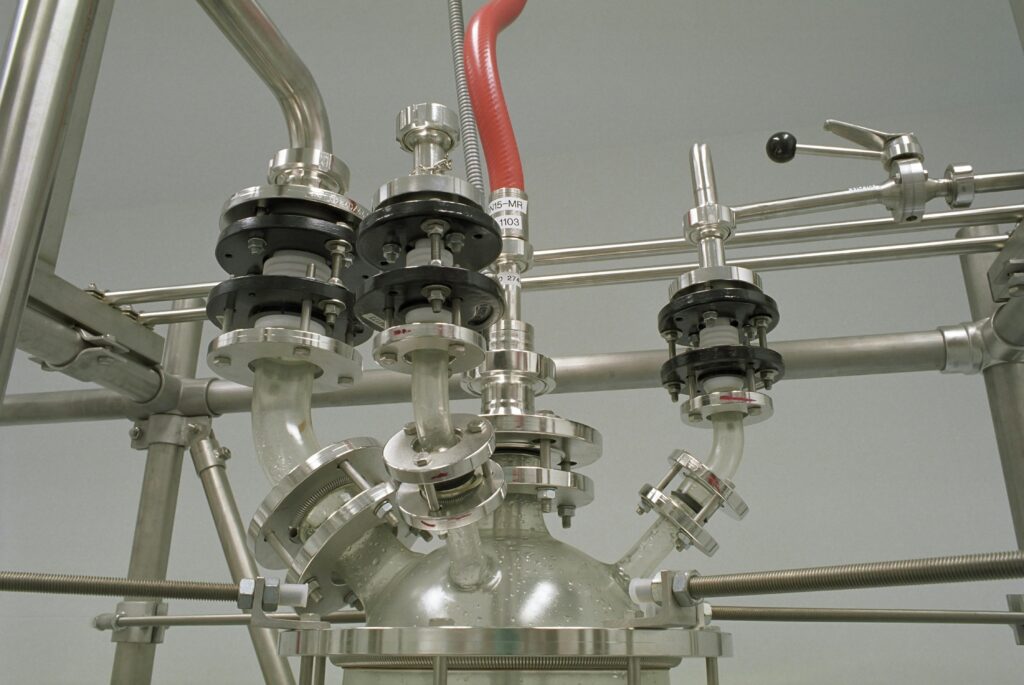
chemical & Processing

Close-up of stainless steel pipes and valves in a chemical industry setting.

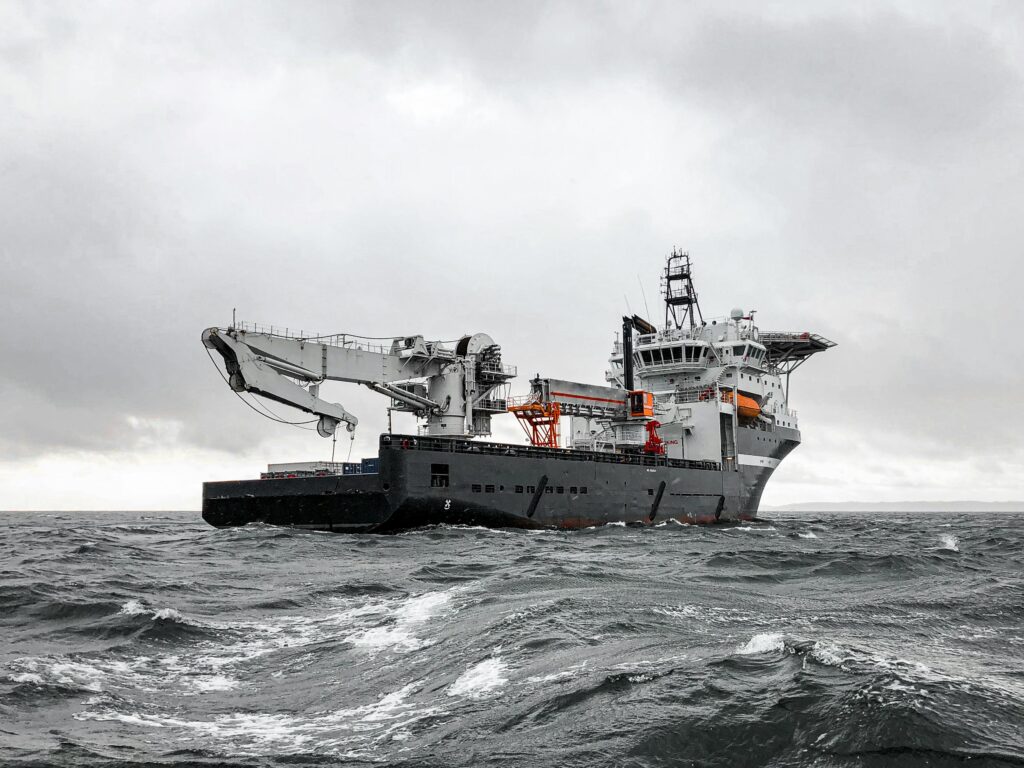
Marine

A large industrial ship cruising through a stormy sea under a cloudy sky, showcasing marine engineering and transportation.
  • Marine industry is the sector related to activities on seas, oceans, and waterways.
  • It includes shipping, fishing, shipbuilding, and port services.
  • The industry helps transport goods between countries.
  • It supports international trade and commerce.
  • Marine industries provide employment to many people.
  • Ships, boats, and modern equipment are used in this sector.
  • It also includes offshore oil and gas activities.
  • Safety and navigation are important in marine operations.
  • Marine industries must protect ocean environments.
  • The marine industry plays a key role in the global economy.
  1. Oil and Gas Industry is the sector that explores, extracts, refines, and distributes oil and natural gas.
  2. It provides fuel for transport, industries, and homes.
  3. Crude oil is refined into petrol, diesel, kerosene, and other products.
  4. Natural gas is used for cooking, heating, and power generation.
  5. The industry uses drilling rigs, pipelines, and refineries.
  6. It creates employment opportunities for many people.
  7. Oil and gas are important sources of energy worldwide.
  8. Safety measures are necessary during production and transport.
  9. Environmental protection is important in this industry.
  10. The oil and gas industry plays a major role in economic development.


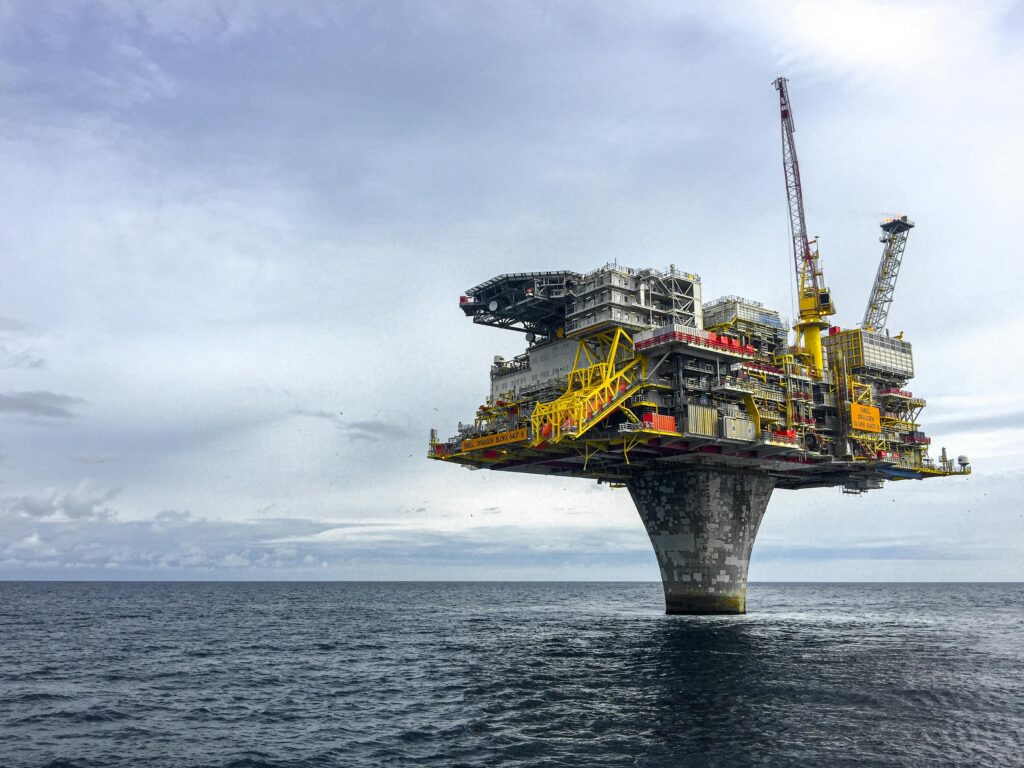
oil & gas

Dramatic view of a large oil platform in Norway's North Sea, symbolizing offshore industry.

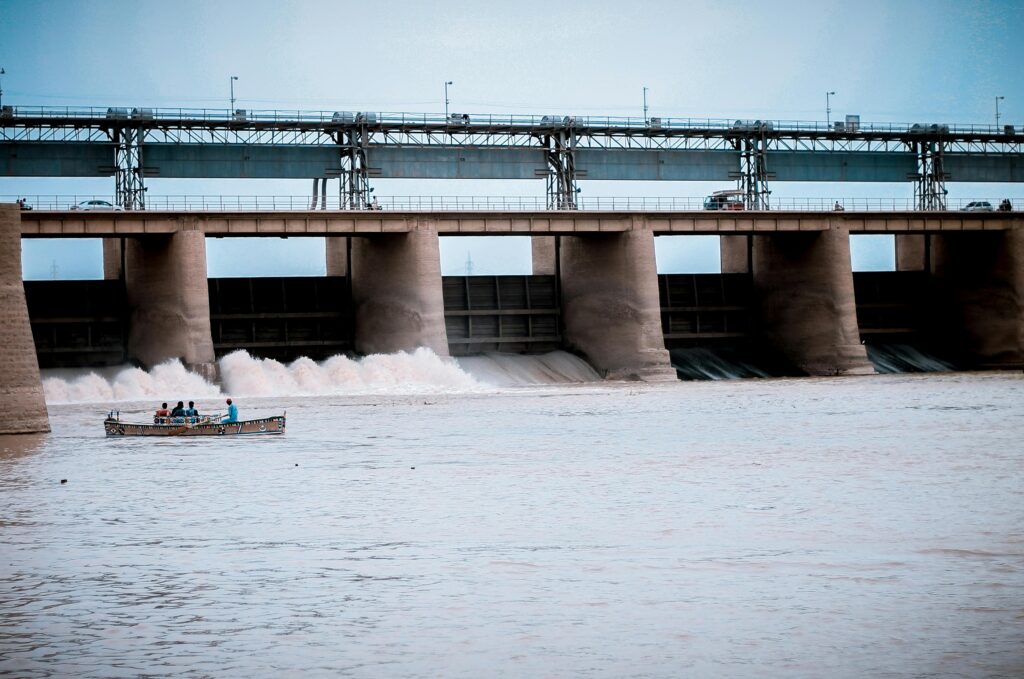
Hydro power

Hydroelectric dam in Jamshoro, Sindh with boat and people on Indus River.
  1. Hydropower industry is the sector that produces electricity using flowing or falling water.
  2. It uses dams, rivers, and reservoirs to generate power.
  3. Water turns turbines connected to generators.
  4. It is a renewable and clean source of energy.
  5. Hydropower helps reduce the use of fossil fuels.
  6. It supplies electricity to homes, farms, and industries.
  7. Large projects can also help in irrigation and flood control.
  8. Skilled workers and modern equipment are needed in this industry.
  9. Proper planning is needed to protect the environment.
  10. The hydropower industry is important for sustainable development.
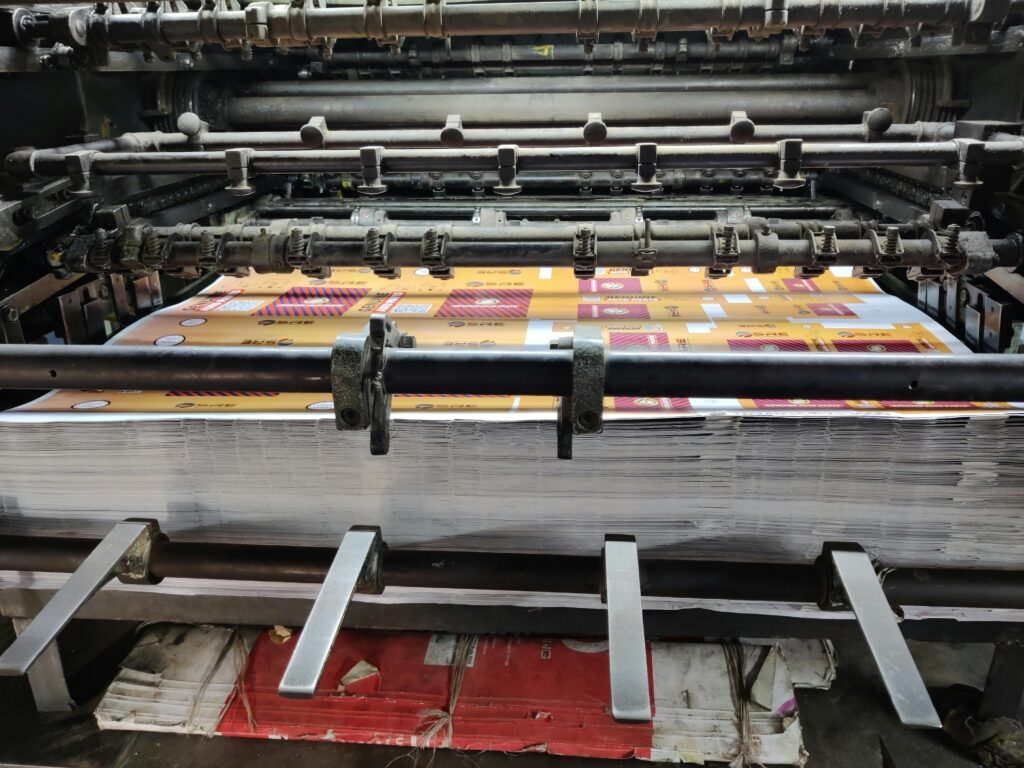
  • Paper industry is the sector that produces paper and paper-based products.
  • It uses raw materials like wood pulp, recycled paper, and bamboo.
  • Paper is used for books, notebooks, packaging, and newspapers.
  • The industry uses machines to process pulp into sheets of paper.
  • It provides employment to many people.
  • The paper industry supports education and communication.
  • Recycled paper helps reduce waste and save trees.
  • Water and energy are important in paper production.
  • Proper waste treatment helps protect the environment.
  • The paper industry plays an important role in daily life.

Paper

Close-up of an industrial printing machine processing paper sheets in a factory setting.

Wind mill

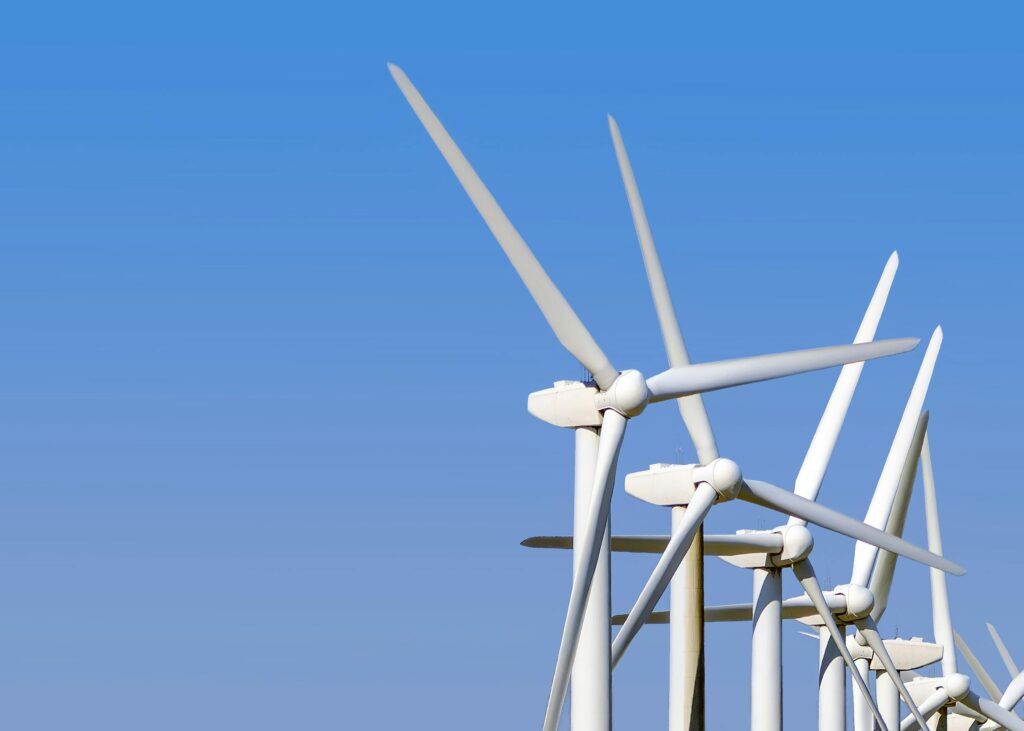
Wind turbines generating clean energy stand tall against a clear blue sky, highlighting sustainable technology.
  1. Wind power industry is the sector that produces electricity using wind energy.
  2. It uses windmills or wind turbines to convert wind into power.
  3. Wind energy is a renewable and clean source of energy.
  4. It helps reduce pollution and the use of fossil fuels.
  5. Wind farms are built in open lands and coastal areas.
  6. The industry supplies electricity to homes and industries.
  7. It creates employment in manufacturing and maintenance.
  8. Modern technology improves turbine efficiency.
  9. Proper site selection is important for better performance.
  10. The wind power industry supports sustainable development.
 
 
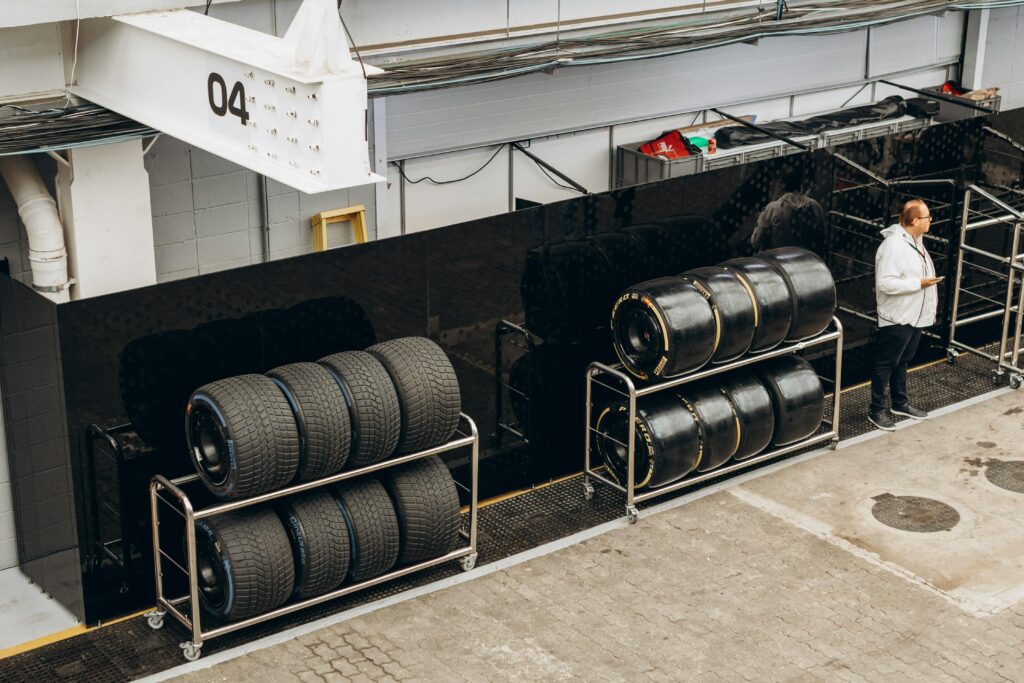
    1. Tyre industry is the sector that produces tyres for different types of vehicles.
    2. It makes tyres for cars, bikes, trucks, buses, and tractors.
    3. Raw materials like rubber, carbon black, and steel are used.
    4. Tyres provide grip, balance, and smooth movement on roads.
    5. The industry uses modern machines for manufacturing.
    6. It creates employment opportunities for many people.
    7. Tyres are important for transportation and safety.
    8. Quality testing is done to ensure durability and performance.
    9. Recycling old tyres helps reduce environmental waste.
    10. The tyre industry plays a key role in the automobile sector.


Tyre Industry

High-performance racing tires stacked in a pit garage with a technician onsite.

Textile Industry

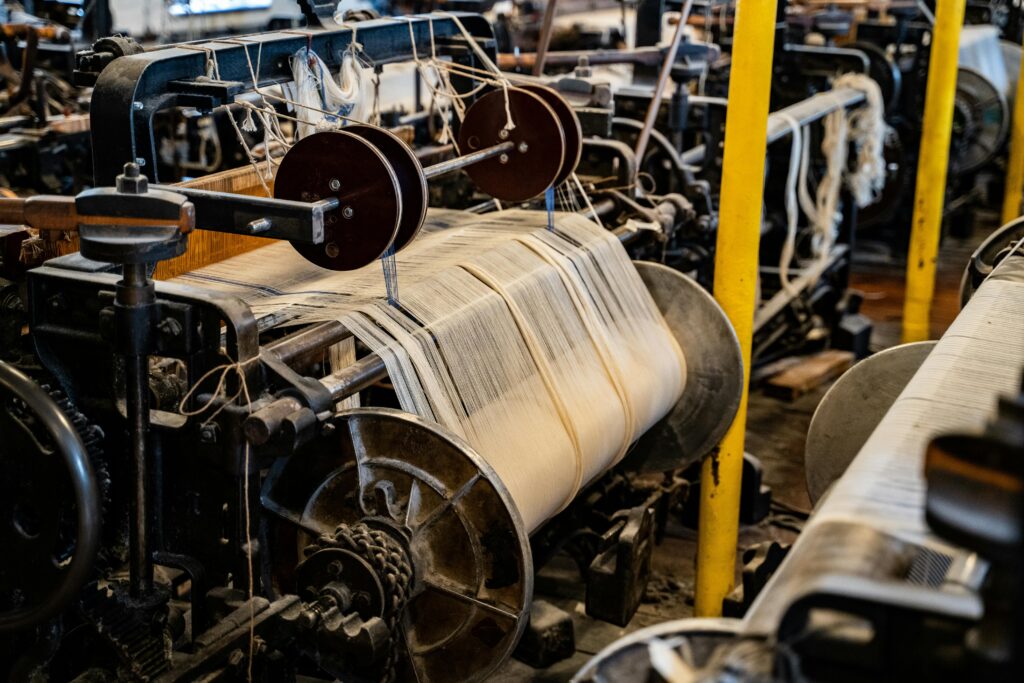
Detailed view of a vintage textile machine showcasing industrial sewing equipment.
  1. Textile industry is the sector that produces yarn, fabric, and garments.
  2. It uses raw materials like cotton, wool, silk, and synthetic fibers.
  3. The industry includes spinning, weaving, dyeing, and stitching.
  4. Textile products are used for clothing, home furnishings, and industrial uses.
  5. It provides employment to a large number of people.
  6. Modern machines are used to improve production quality.
  7. The textile industry supports trade and exports.
  8. Proper quality control is important in manufacturing.
  9. Eco-friendly methods help reduce pollution and waste.
  10. The textile industry plays an important role in the economy.
 
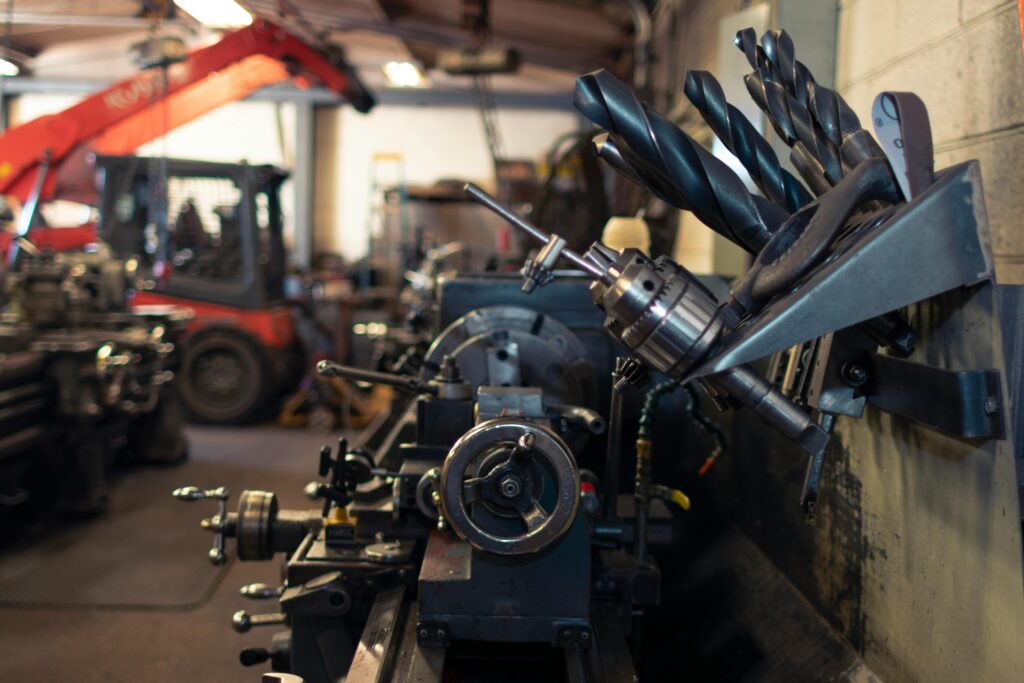
    1. Machine tools industry is the sector that produces machines used for manufacturing work.
    2. It makes tools like lathes, drills, milling machines, and grinders.
    3. These machines are used to cut, shape, and finish metal parts.
    4. The industry supports automobile, aerospace, and engineering sectors.
    5. Modern technology improves accuracy and productivity.
    6. It provides employment to skilled workers and engineers.
    7. Quality control is important for precision machines.
    8. Machine tools help in mass production of products.
    9. Regular maintenance increases machine life and efficiency.
    10. The machine tools industry is essential for industrial development.


Machine Tools

Close-up of a busy industrial workshop featuring machinery and tools.

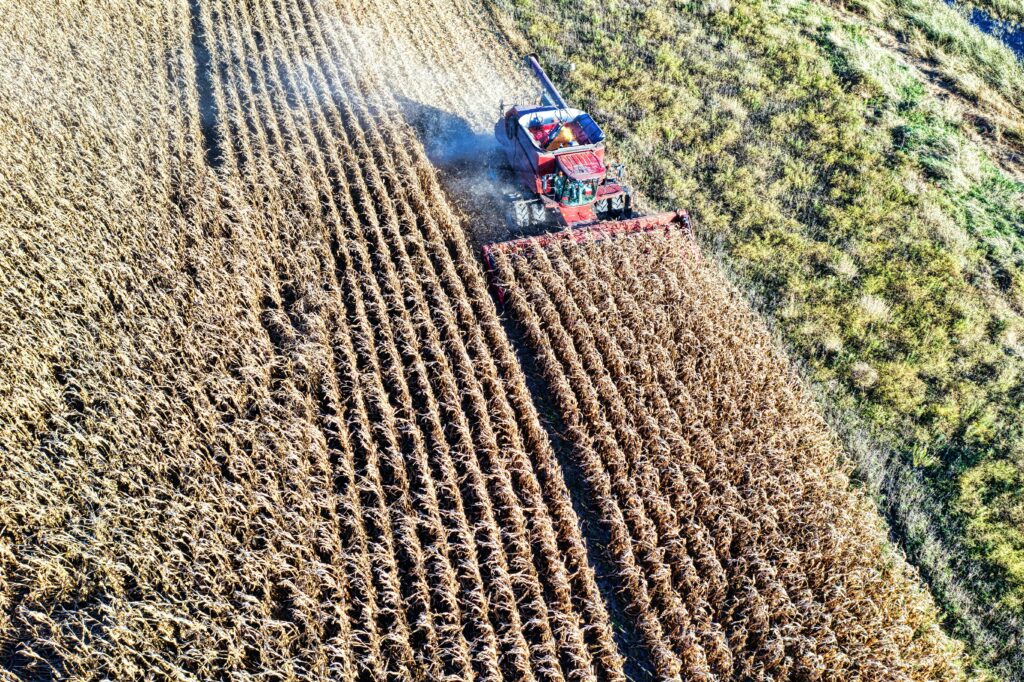
agriculture

An aerial view of a red combine harvester working in a cornfield during fall harvest.
  1. Agriculture is the practice of farming and growing crops.
  2. It also includes raising animals for food and other products.
  3. Agriculture provides food, fiber, and raw materials.
  4. Farmers grow crops like rice, wheat, maize, and vegetables.
  5. It is one of the oldest and most important occupations.
  6. Modern tools and irrigation improve farm production.
  7. Agriculture creates employment for many people.
  8. It supports industries such as food processing and textiles.
  9. Good farming methods help protect soil and water.
  10. Agriculture plays a key role in the economy and daily life.
 
 
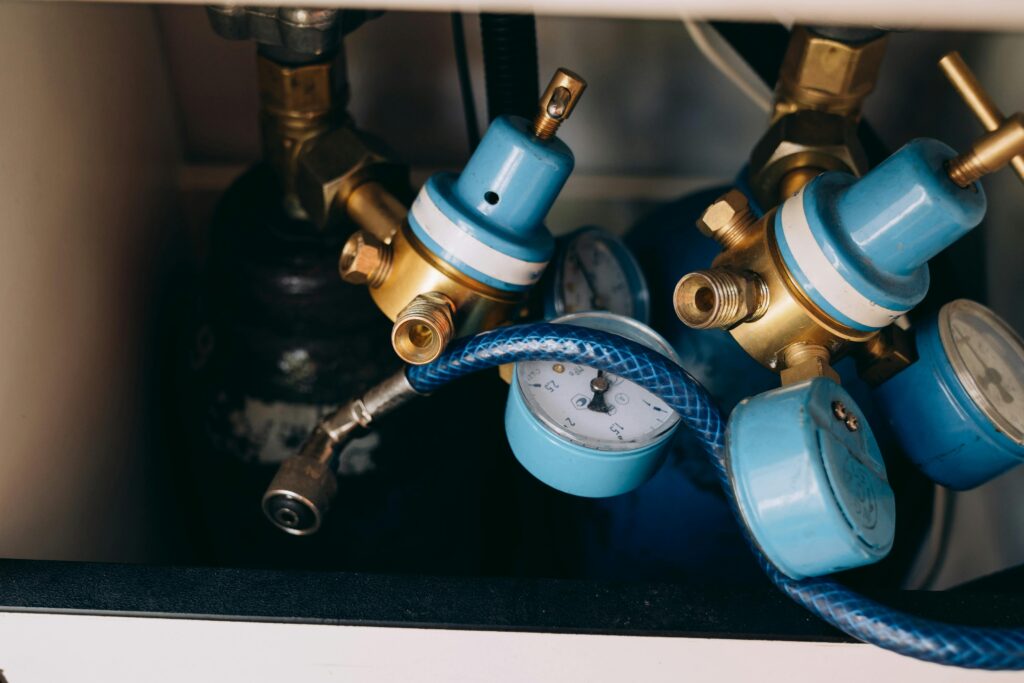
  • Fluid Power – Pneumatics is a system that uses compressed air to produce and control motion.
  • It is a part of fluid power technology.
  • Pneumatic systems use air compressors, valves, cylinders, and pipes.
  • Compressed air is used to move machines and tools.
  • It is widely used in factories and automation systems.
  • Pneumatics is clean, safe, and easy to maintain.
  • It provides fast and efficient operation.
  • Common uses include air brakes, spray painting, and packaging machines.
  • Proper maintenance is needed to prevent air leaks.
  • Pneumatics plays an important role in modern industries.
  •  

Fluid Power –Pneumatics

Detailed view of blue and brass gas pressure regulators with gauges and tubing in an industrial setting.

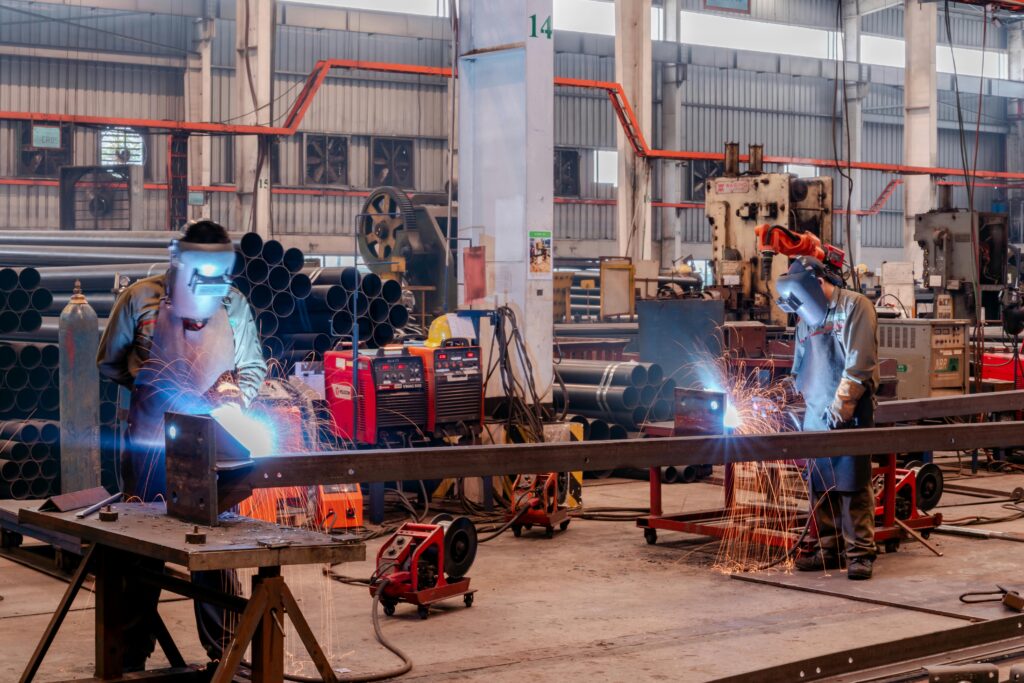
Engineering and Fabrication

Two welders wearing protective gear working in a busy industrial factory workshop.
  1. Engineering and Fabrication is the field of designing, building, and assembling machines or structures.
  2. Fabrication involves cutting, bending, and joining metal parts.
  3. It is used to make frames, tanks, pipes, and equipment.
  4. Welding, machining, and drilling are common fabrication processes.
  5. Engineering ensures proper design, strength, and safety.
  6. Modern machines improve accuracy and productivity.
  7. It supports industries like construction, automotive, and power plants.
  8. Skilled workers and engineers are needed in this field.
  9. Quality control is important for reliable products.
  10. Engineering and fabrication play a key role in industrial development.
 
 
    1. Automotive industry is the sector that designs, manufactures, and sells motor vehicles.
    2. It includes cars, trucks, buses, motorcycles, and auto parts.
    3. The industry uses steel, rubber, plastics, and electronics.
    4. Modern technology improves safety, comfort, and fuel efficiency.
    5. It provides employment to many engineers and workers.
    6. The automotive industry supports transportation and trade.
    7. Quality testing is important for vehicle safety and performance.
    8. Electric and hybrid vehicles are growing in popularity.
    9. Proper maintenance increases vehicle life and reliability.
    10. The automotive industry plays an important role in the economy.
 

automotive

Gray BMW Z4 roadster parked on a bustling city street with people passing by, capturing urban lifestyle.

Copyrights @2025 MAX HYDRO SOLUTIONS All Rights Reserved